Condo or Villa in Phuket: Ownership, Upkeep, Rental and Lifestyle
In short
On Phuket a condo is the simpler purchase: a foreigner can usually own the unit in their own name, and the building looks after the shared parts while you are away. A villa gives you space, privacy and a pool of your own, but the land under it generally cannot go in a foreigner's name, and the upkeep on a tropical island is yours. How you will use the place should decide.
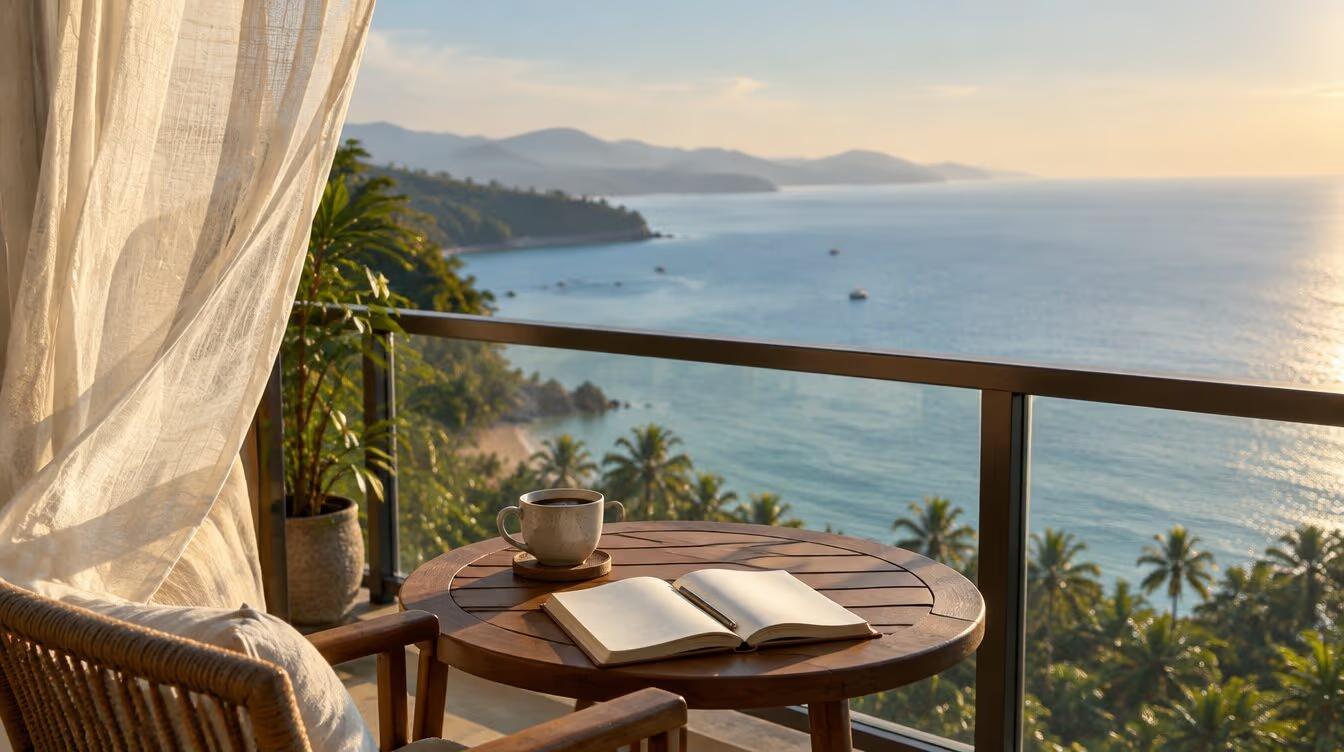
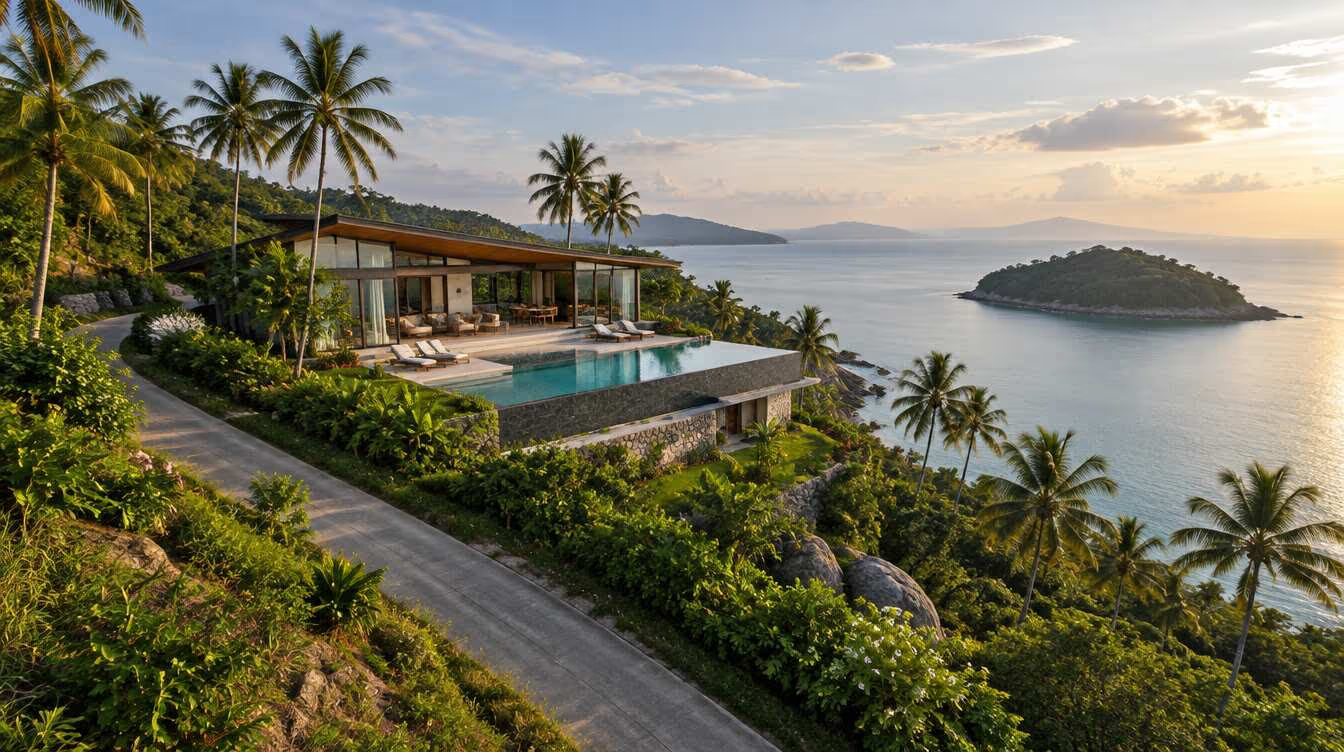
On Phuket the condo-or-villa question comes up sooner than almost anywhere else in Thailand, because the island offers both: apartment buildings a short walk from the west-coast beaches, and pool villas on the hills and in the quieter inland valleys. The photographs make the villa look like the obvious choice. The paperwork, the weather and the way you will actually use the place often point the other way. This article compares the two for Phuket specifically; the wider comparison, townhouses included, is in our guide to condo, villa or townhouse.
This is a general overview, not legal advice. Ownership structures, leases and short-term letting are detailed subjects, and an independent Thai lawyer should check the structure of any specific purchase before you sign. We quote no prices, fees or returns: a manager confirms current prices and availability, and any rental figure we give is an agency estimate with its source and date.
The land question: what goes in your name
This is the biggest difference, so start here. A unit in a registered condominium can generally be owned freehold in a foreigner's own name, as long as the building still has room in its foreign quota and the purchase money arrives from abroad in foreign currency. Our project pages show the quota by unit when that field is filled in, and your manager confirms the live position with the developer before you reserve, because it changes with every sale.
A villa stands on land, and foreigners generally cannot register land in their own name. The structure usually offered to foreign buyers is a registered lease of the land, sometimes alongside ownership of the house itself. A lease is a contractual right for a fixed term, not ownership. Promised renewals are a promise in the contract rather than something the law guarantees, and what happens on resale or inheritance depends on how the lease is drafted. Buyers from the UK or Australia, used to long leases that behave almost like ownership, should not assume a Thai lease works the same way.
You may also hear about buying through a Thai company or in the name of a Thai partner. Each carries its own legal risk, and arrangements with nominee shareholders are against the law. If a villa is offered to you in full ownership without a clear explanation of how, that is the first question for your lawyer. Freehold, leasehold and the quota are explained in detail in our guide to foreign ownership in Thailand.
Upkeep on a tropical island
Humidity, heavy rain in the wet season, strong sun, salt air and insects work on every property on Phuket, but they land on owners very differently.
In a condo, the juristic person and its management company look after the pool, lifts, gardens, cleaning and security, funded through the common fee. Inside your unit it is mostly about damp: run the air conditioning now and then, keep windows properly sealed and have someone look in. Some buildings offer checks on empty units as a separate paid service; ask before you buy. You can lock the door and fly home.
With a villa, almost everything is yours: a pool that needs cleaning and balancing, a garden that grows fast, pumps, air conditioning, the roof and gutters after the rains, termites and mould in closed rooms. In a managed estate the shared roads, gate and landscaping are looked after, and some estates offer a maintenance service for individual homes; find out exactly what the estate fee covers. A stand-alone villa means arranging all of it yourself. Either way, agree in writing who holds the keys, how often someone visits and what a report with photos includes. The costs to budget for are listed in ongoing costs of owning a condo or villa.
Renting it out: who rents which
Think about the tenant before the property. Condos on Phuket attract single travellers, couples and remote workers staying for weeks or months, and people who work on the island and rent long-term. Pool villas appeal to families and groups on holiday together, and to families relocating for the international schools. The two are different businesses: a condo guest needs a clean flat and a key, while a villa guest expects someone to meet them, clean the pool between stays and answer the phone at night.
Two things to settle before you buy with rental in mind. First, short-term letting by the day or week is regulated in Thailand, and many buildings and estates have their own rules, so ask a lawyer and read the house rules before signing. Second, who will manage it. Some condo buildings have a rental desk on site; a villa needs its own arrangement. The options are in renting out and managing your property, and which parts of the island suit which tenant is covered in best areas in Phuket for rental income.
Daily life: lock-and-leave or a house with a garden
The choice also changes what an ordinary day looks like. A condo near a beach usually means walking to cafés, the sea and a shop, a gym and pool downstairs, neighbours around you and security at the door. It suits a holiday base, a winter stay or a couple who do not want to drive everywhere. The trade-off is less space and privacy, and in the busy season a building full of holidaymakers.
A villa gives you room, a garden, a pool of your own and quiet evenings. It suits families, people who work from home and those who plan to spend long stretches on the island. The trade-off is that on Phuket villas are often some way from the beach, so daily life usually means a car or a scooter, and an empty house needs looking after when you leave. If you will be there a few weeks a year, be honest with yourself about who will care for the villa the rest of the time.
Where condos and villas are found on the island
The two types tend to cluster in different places. Condos concentrate along the west-coast beaches, such as Kata, Karon and Kamala, where walking to the sea matters most, and in Kathu and Phuket Town, where people live and work all year. Bang Tao has both: apartments near the beach and the Laguna area, and villa estates on the slopes behind it and towards Layan.
Villas are more common where there is more land: inland Thalang in the north of the island, and the south around Rawai and Nai Harn, with its settled year-round community and low-rise streets. How Bang Tao, Kamala and Rawai compare for living, letting and families is set out in Bang Tao, Kamala or Rawai. The current choice is on the pages for condos in Phuket and villas in Phuket.
How to decide
- A holiday base for a few weeks a year, with no one on the island to look after it: a condo is the easier choice.
- Rental income from short stays with little involvement from you: usually a condo in a building that allows it and has management on site.
- Long stays, a family, working from home or simply wanting a garden and a pool of your own: a villa, provided you accept the lease structure and arrange the upkeep.
- Ownership in your own name matters most to you, for resale or inheritance: a condo within the foreign quota is the straightforward route.
If you are torn, renting both for a stay can settle it faster than any list. When you are ready, tell a ROMA ThaiProperty manager how you will use the property, how often you will be there and whether you will let it. They will shortlist condos and villas that fit, check the quota or the lease terms with the developer, and tell you plainly about the downsides of each.
Questions and answers
Can a foreigner own a villa in Phuket?
Foreigners generally cannot register land in their own name, so villas are usually offered on a registered lease of the land, sometimes with ownership of the house itself. A lease is a fixed-term contractual right, not ownership. An independent Thai lawyer should check the structure before you sign; our guide to foreign ownership explains the options.
Is a condo or a villa better for rental income in Phuket?
They suit different tenants. Condos attract travellers, couples and long-term renters; pool villas attract families and groups. A villa needs more hands-on management between guests. Short-term letting is regulated and depends on building or estate rules, so check before buying.
Is a villa in Phuket hard to maintain from abroad?
It takes more organising than a condo. The pool, garden, roof, pumps and air conditioning are yours, and an empty house in the tropics needs regular visits. In a managed estate some of this can be arranged through the estate; agree in writing who visits, how often and what they report.
Which areas of Phuket have more condos and which more villas?
Condos cluster along the west-coast beaches and in Kathu and Phuket Town. Villas are more common inland in Thalang, on the slopes around Bang Tao and Layan, and in the south around Rawai and Nai Harn. Bang Tao has plenty of both.
Related property collections
- Phuket Condos for Sale: New and Completed Buildings
- Villas and Houses for Sale in Phuket
- Bang Tao Villas and Condos for Sale, Phuket
- Rawai Villas and Condos for Sale, Phuket
Want to talk it through with a manager? Message us on WhatsApp or leave a request.

Who will answer you
Roman Solovyev · Founder, CEO
- Speaks Russian and English
- Mon-Fri 09:00–22:00 Thailand time
We’ll send a shortlist of projects and their payment plans to your WhatsApp.