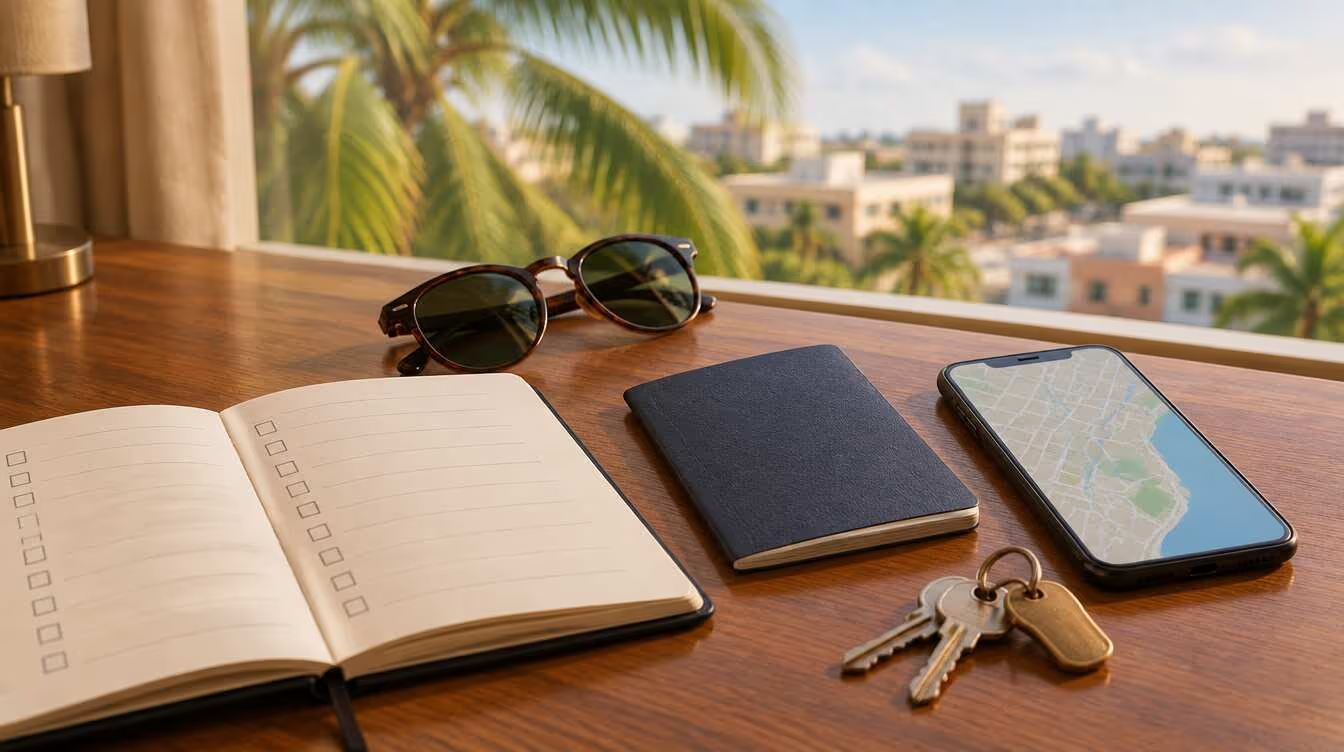
Living in Pattaya as an Expat: Areas, Costs to Check, Daily Life
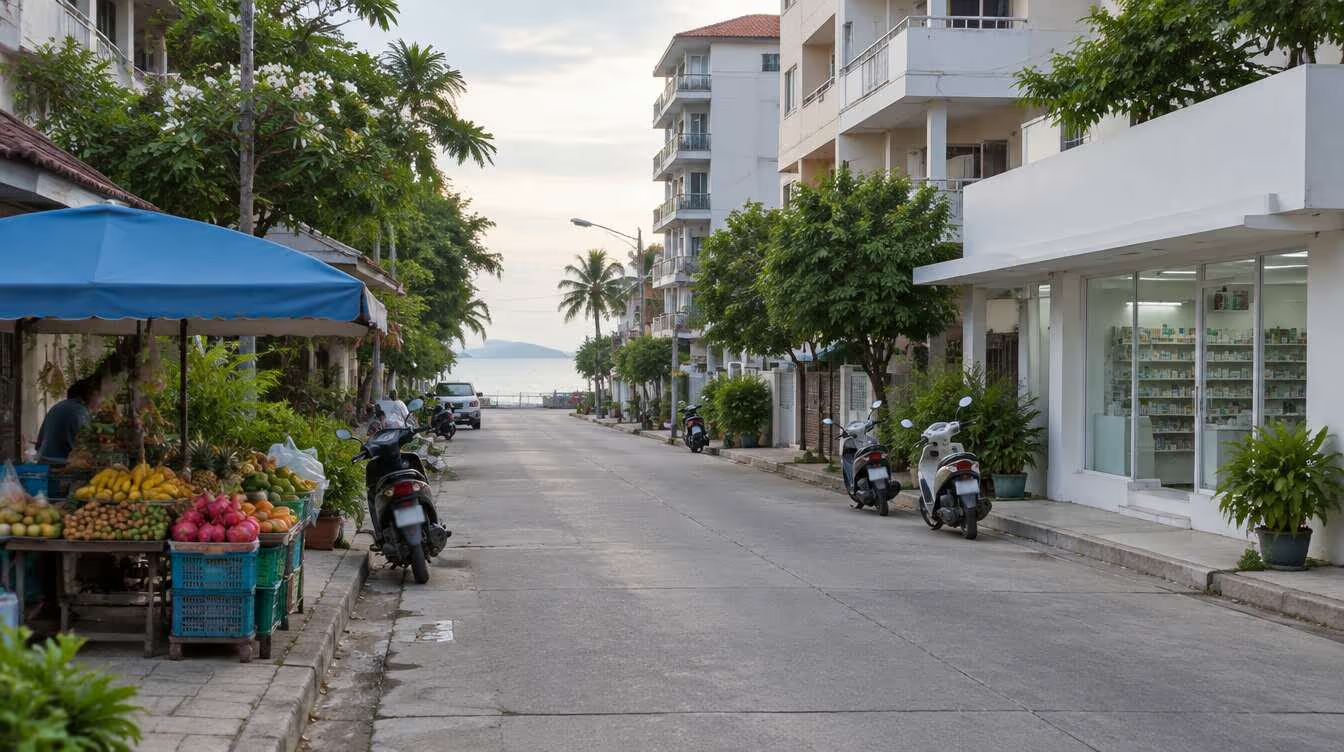
In short
Living in Pattaya as an expat works best when you choose the area by your daily routine rather than the view: Jomtien for life on foot by the beach, Pratumnak for quiet, Wongamat and Naklua for a calmer north, the centre if you want everything open late. Before you commit, check the running costs line by line, how you will get around, your health cover and your visa route.
A holiday in Pattaya and a life in Pattaya are two different experiences. On holiday you notice the beach, the restaurants and the sunsets. Living there, you notice the walk to the supermarket, the noise at night, how you get to the dentist and what the electricity bill looks like after a month of air conditioning. This article is about the second experience: what everyday expat life in Pattaya involves, and what to check before you rent long term or buy.
We leave out prices, bills and rents on purpose. They depend on the building, the unit and how you live, and an average would mislead you. A manager confirms the figures for specific homes, and our guides explain how each cost works.
Choosing an area by your daily routine
Pattaya is a string of very different neighbourhoods along one coast. When you compare areas as an investor, you think about tenants and resale; we cover that in the best areas to buy a condo in Pattaya. When you compare them as a resident, the question is simpler: what does an ordinary Tuesday look like?
- Life on foot by the beach: Jomtien. A long beach road with markets, cafés, gyms and laundries, so most errands can be done without a vehicle. The price of that convenience is traffic and some noise near the main road.
- Quiet and green: Pratumnak. Leafy streets on the hill between the centre and Jomtien, small beaches and evenings without music from bars. There are fewer shops, so daily errands often mean a short ride.
- A calmer beach in the north: Wongamat, with the older neighbourhood of Naklua next to it, its local market and seafood restaurants, and the malls of North Pattaya a short ride away.
- Everything open late: Central Pattaya. Walkable and lively at all hours, which suits some people and wears others out. Here the street matters more than the district.
- A house and a garden: East Pattaya, across Sukhumvit Road, where many long-term residents and families live in housing estates. Realistically, you will need a car.
The area pages for Jomtien and Pratumnak describe each place in more detail and list the projects in our catalogue. A practical test before you choose: spend a weekday evening and a weekend morning there. Walk from the building to the nearest supermarket and pharmacy, and listen to the street after dark.
Running costs to check before you commit
The purchase price is paid once; running costs stay with you every month, including the months you spend away. We do not quote amounts, because they differ from building to building, but these are the lines to ask about for any condo you are considering:
- Common fee. A condominium charges it by the floor area of your unit, and a building may bill several months in advance. Ask what it covers and when it last changed. Where we have the rate, it is shown on the project page.
- Sinking fund. A contribution to the building's reserve, usually paid at handover; an older building may ask owners for more later.
- Electricity and water. Air conditioning drives the electricity bill. Ask whether the meters are billed by the utility directly or through the building.
- Internet and mobile. Check which providers actually serve the building, not just the area.
- Home insurance. The building insures the common property; the inside of your unit, your belongings and your liability to neighbours are yours to cover.
- Health insurance. For most expats this is the line that matters most; more on it below.
- Upkeep. Air-conditioner servicing and small repairs, plus the pool and garden if you choose a house.
Our guide to the ongoing costs of owning a condo or villa goes through each item, including the annual land and building tax. Before you decide, a manager can ask the developer or the building for the current figures on a specific unit.
Getting around, with or without a car
Pattaya is one of the easier places in Thailand to live without a car, as long as you live near the coast. Songthaews, the shared pick-up trucks many people call baht buses, run along the main roads; ride-hailing apps and motorbike taxis cover the rest. Many expats ride a scooter. It is convenient, but it is also where many accidents happen, so check which driving licence you need and whether your insurance covers you on two wheels before you get on one.
For trips home, the flight usually lands in Bangkok and you continue by road, by taxi, bus or booked transfer; U-Tapao airport is also close to the city. If you will travel often, look at how far your building is from the road out of town, not only from the beach.
Healthcare and schools
Pattaya has private hospitals used to treating foreign patients, as well as clinics, dentists and pharmacies across the city. Private care is paid for, so health insurance is the first thing to sort out. Read the policy rather than the brochure: does it cover living in Thailand long term rather than just travel, outpatient visits and pre-existing conditions, and what changes as you get older? Keep the policy details somewhere you can find them in an emergency.
Families will find international schools in the Pattaya area. Visit in person, ask about the curriculum, available places and the journey to school, and choose the area around the school rather than the other way round. Once children are involved, a two-bedroom unit or a house usually makes more sense than a studio.
The seasons and the rhythm of the year
Pattaya does not close in the low season, which is one of its strengths for year-round living. But the city changes through the year. The cooler, drier months of the northern winter bring the high season: more visitors, busier beaches and roads, fuller restaurants. The rainy season brings heavy downpours, more humidity and a quieter town. It rarely rains all day, but some low-lying streets can flood for a while after a storm, so ask about drainage on your street and whether the building's car park has ever flooded.
Heat is the other constant. The way a unit faces matters more than people expect: a living room that faces west gets the afternoon sun, and you will feel it in the electricity bill.
Visas, banking and paperwork
Owning or renting a condo does not by itself give you the right to stay in Thailand or to work there. Long stays need their own route, and the options and conditions change over time. Our guide to visas for property owners outlines the routes owners usually consider and the questions to put to an immigration lawyer. Check the conditions on the date you apply.
Leave time for everyday paperwork too: a Thai bank account (not every bank opens one for every foreigner or every type of stay), a local SIM card, and the residence notifications that apply to foreigners on long stays, which a lawyer or the building office can explain. None of it is difficult, but it goes more smoothly when you plan for it.
If you are not yet sure which part of the city suits you, rent for a season before you buy. A manager at ROMA ThaiProperty can then shortlist projects in the area you have actually lived in, with current prices and availability confirmed by the developer.
Questions and answers
Is Pattaya a good place to live as an expat?
For many people, yes. It is a full-size city that runs all year, with private hospitals, supermarkets, international schools and road links to Bangkok. Whether it suits you depends mostly on the area: the centre is lively and noisy, while Jomtien, Pratumnak and Wongamat are calmer and more residential.
Which area of Pattaya is best for expats?
It depends on your routine. Jomtien suits people who want to do most things on foot near the beach, Pratumnak suits those who want quiet, Wongamat and Naklua suit a calmer northern beach, and East Pattaya suits families who want a house and will drive. Spend a weekday evening in an area before choosing it.
What running costs should I check before living in a Pattaya condo?
The common fee and what it covers, the sinking fund, electricity (air conditioning is the big one), water, internet, home insurance, health insurance and upkeep such as air-conditioner servicing. Amounts depend on the building and the unit, so ask a manager for the current figures on the specific home.
Can you live in Pattaya without a car?
Near the coast, usually yes: songthaews, ride-hailing apps and motorbike taxis cover most journeys, and in Jomtien or the centre many errands can be done on foot. In East Pattaya and the inland housing estates, life without a car is hard.
Related property collections
- Pattaya Condos for Sale — New Developments
- Jomtien Condos for Sale, Pattaya
- Pratumnak Condos for Sale, Pattaya
- Wongamat Condos for Sale, Pattaya
Want to talk it through with a manager? Message us on WhatsApp or leave a request.

Who will answer you
Roman Solovyev · Founder, CEO
- Speaks Russian and English
- Mon-Fri 09:00–22:00 Thailand time
We’ll send a shortlist of projects and their payment plans to your WhatsApp.