Pattaya vs Phuket vs Koh Samui: Which One Fits Your Plan?
In short
Pattaya is a working city on the mainland where most new homes are condos. Phuket is a large island with its own international airport, a strong villa market and a monsoon that shapes the west coast. Koh Samui is smaller, quieter and mostly villas. Pick the scenario first, and the place usually follows.
Most comparisons of Thai property markets stop at two names. Add Koh Samui and the question changes: you are no longer choosing between two beach destinations, but between a city, a large island and a small one. Each suits a different kind of buyer, and each has drawbacks that rarely make it into a brochure.
This article works through the decision by scenario: who you are, how you will use the home and what kind of property you want. If you are only weighing Pattaya against Phuket, our Pattaya or Phuket guide covers the pair in more depth. We leave out prices, travel times and rental figures on purpose: they depend on the project and the date, and a manager confirms them for the homes you shortlist.
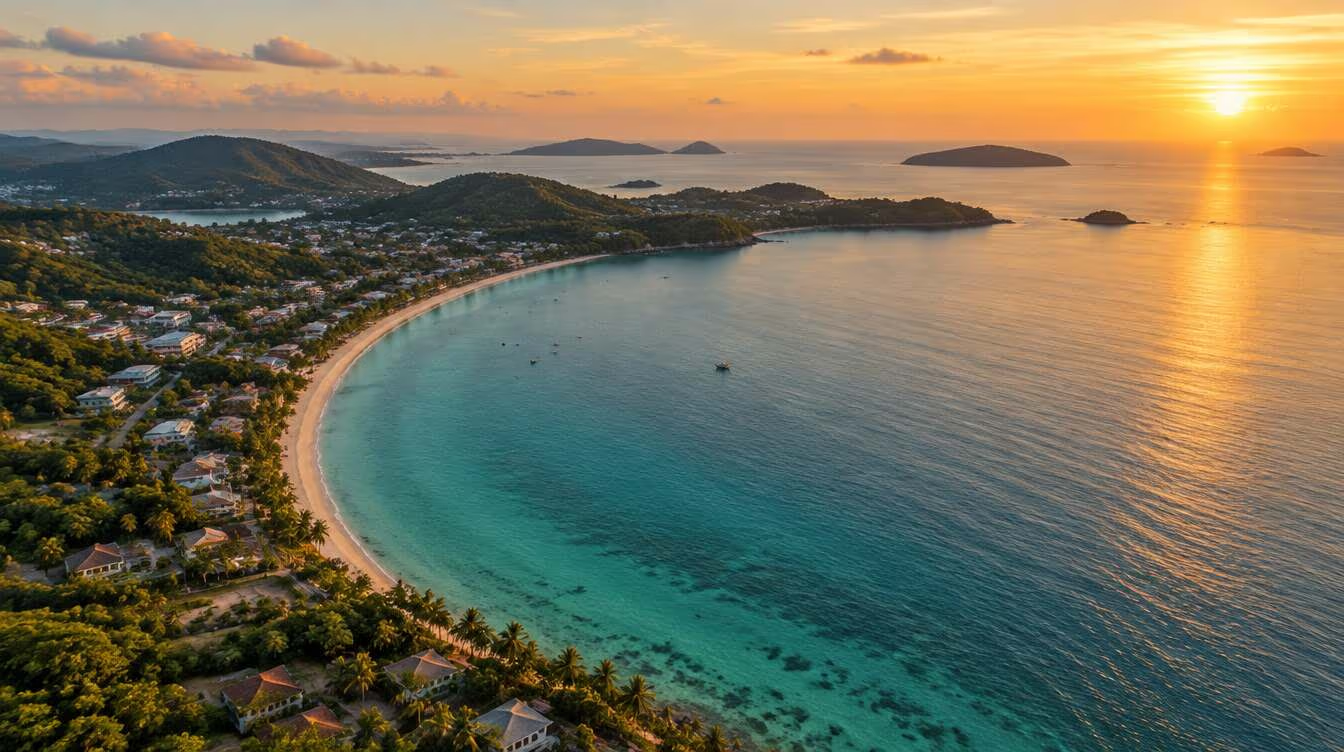
Three places, three different markets
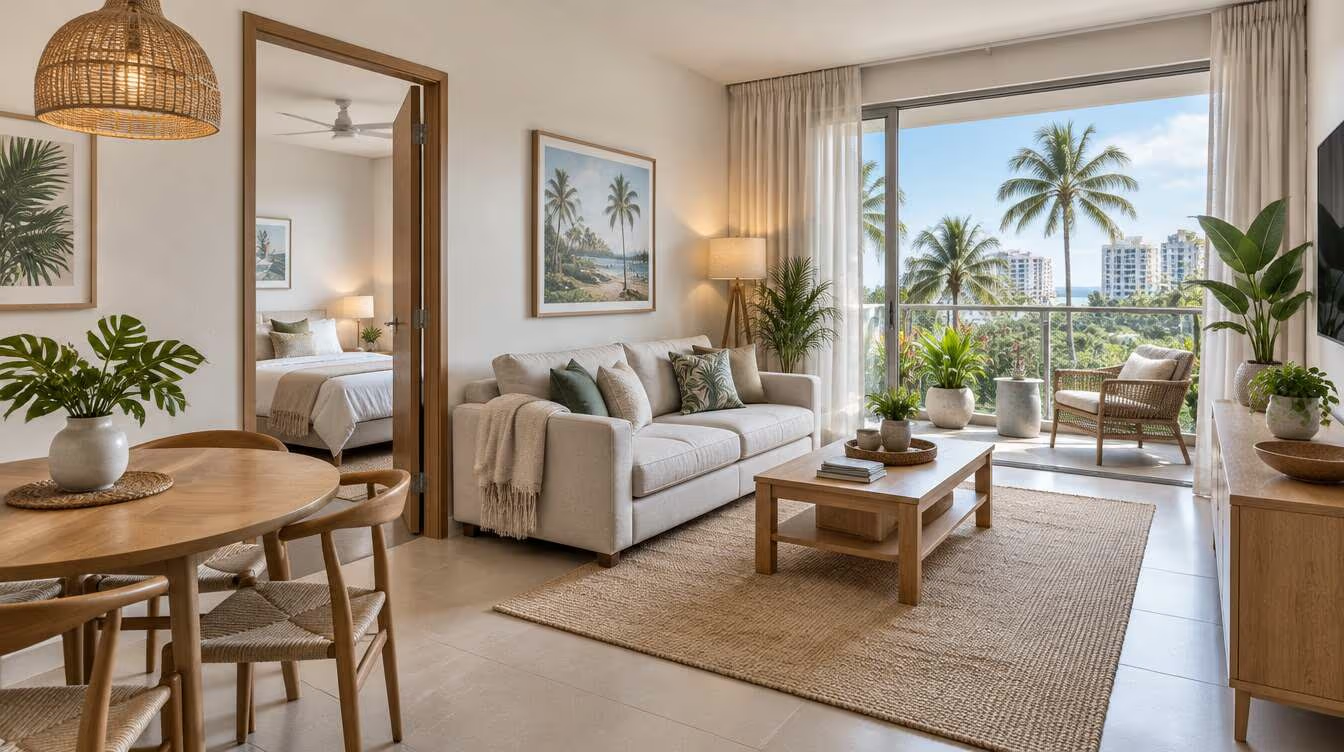
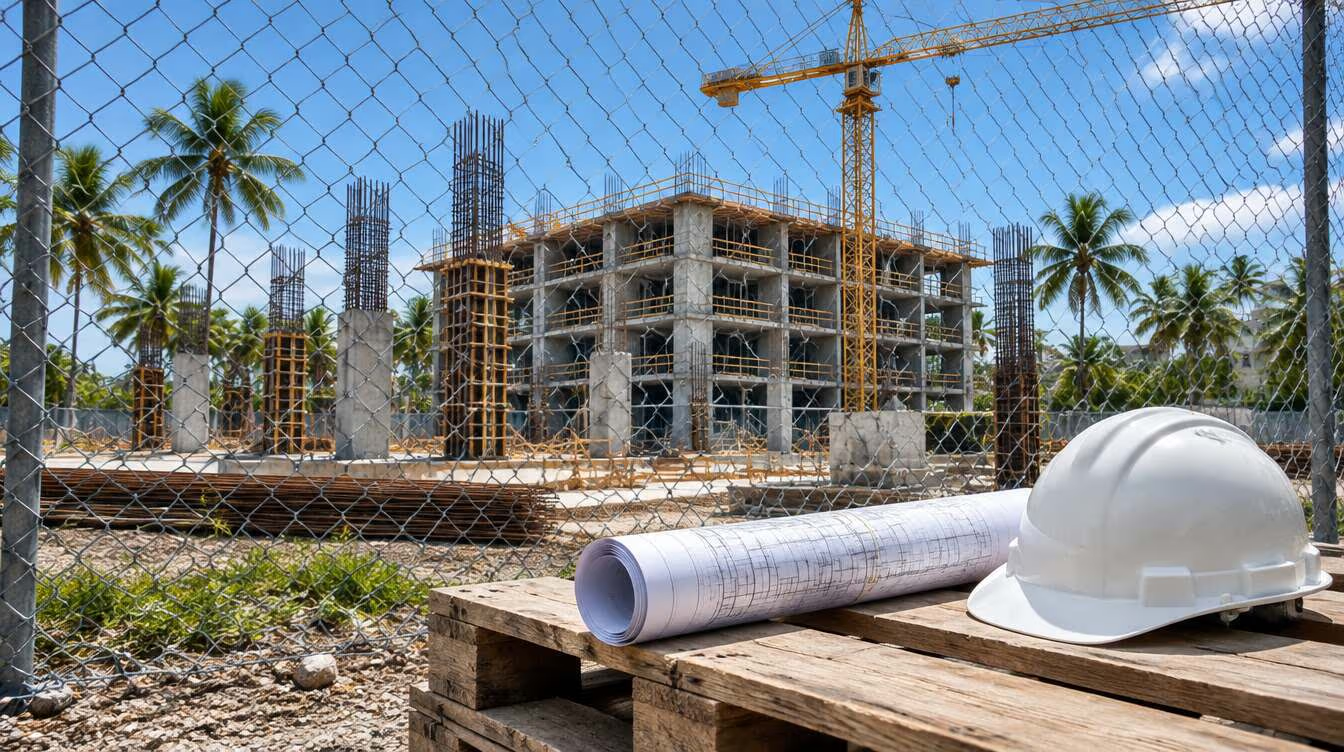
- Pattaya is a full-size city on the eastern shore of the Gulf of Thailand. You fly into Bangkok and continue by road, or use the nearby U-Tapao airport. Hospitals, malls, schools and local transport run all year, and the new-build market is mainly condominiums, from beachfront towers to low-rise buildings, with houses and villas further inland.
- Phuket is Thailand's largest island, in the Andaman Sea, with its own international airport at the northern end and a bridge to the mainland. Each bay has its own character, the pool villa is central to the market, and condos cluster near the beaches and in Phuket Town.
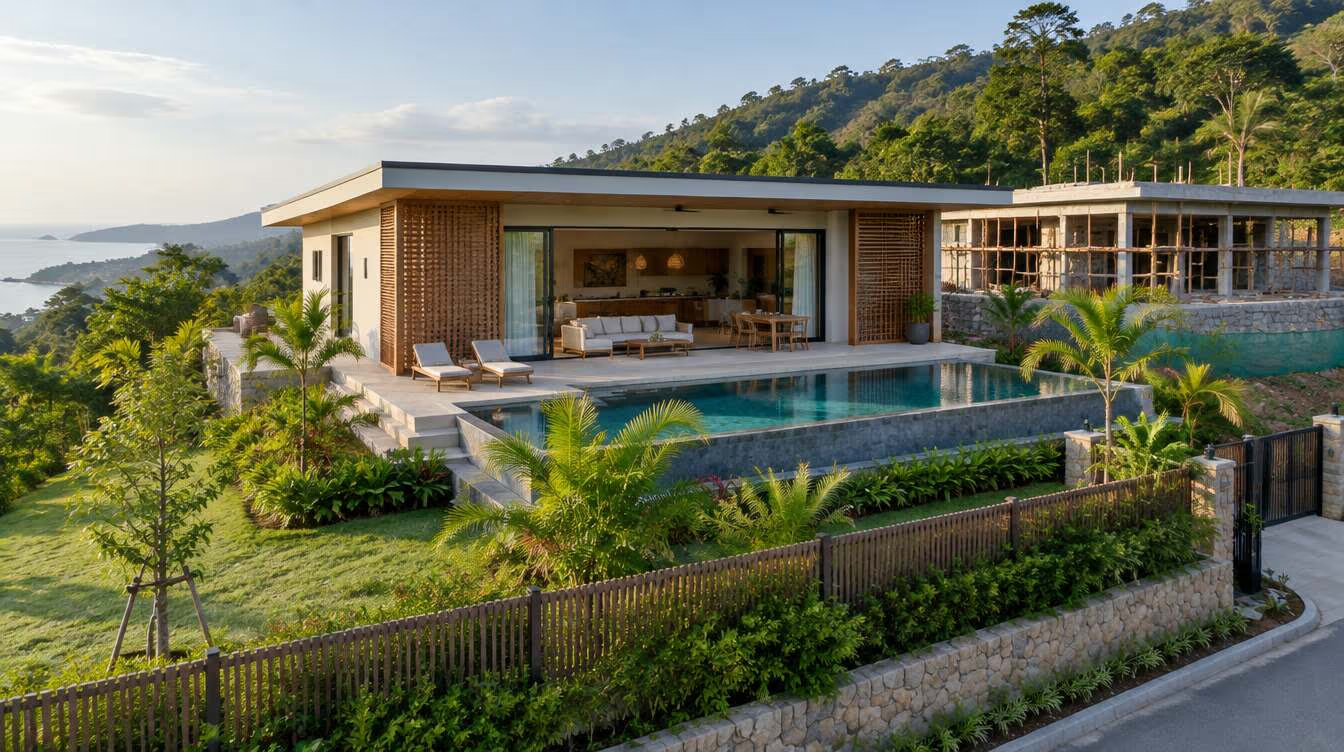
- Koh Samui is a smaller island in the Gulf of Thailand, reached by domestic flight from Bangkok or by ferry from the mainland. There are no high-rises; most new projects are villas with private pools, with a few small condominiums near the beach. Services exist, but the choice is narrower than in a city.
Living there: all year, for the winter or with children
If you plan to spend months at a time in Thailand, picture an ordinary weekday rather than a beach day. Pattaya makes that easiest. A doctor, a supermarket, a gym and a café are usually close, songthaews and ride-hailing cover the city, and living without a car is realistic near the centre and the seafront. It is also the noisiest of the three, so the street you choose matters a great deal.
Phuket offers more nature and more variety, at the cost of more driving. Some areas have an everyday life of their own all year; others empty out when the season ends. The monsoon matters here: the west coast faces the open sea, and in the wet season it brings swell, red-flag days and quieter streets. If your winters fall in the dry season, that may not affect you at all; if you come in summer, check how your shortlisted area feels then.
Koh Samui suits people who want calm: couples spending the winter, remote workers with a favourite café, anyone who does not need a big city nearby. Its rainy season falls at a different time from Phuket's, because the two islands sit on opposite sides of the peninsula, so ask a manager how the months you plan to be there usually look on each.
Moving with children
Families usually choose the school first and the home second. Pattaya keeps schools, hospitals and shops within one city, and Bangkok is reachable by road. Phuket has international schools and private hospitals too, but they are spread across the island, so the area you choose decides the length of the school run. Samui has international schools and private hospitals as well, with a narrower choice; for some families that is fine, for others it rules the island out. Visit the school before you look at homes around it.
Renting the home out while you are away
Start with the tenant. Pattaya has holidaymakers, weekend visitors from Bangkok and people who live and work in the city, so a condo there can be let short or long depending on the building. Near Phuket's beaches, demand is mostly tourist-driven and rises and falls with the season, while Phuket Town and the centre of the island have long-term tenants as well. On Samui, the typical guest is a family or group renting a whole villa for a holiday, which makes the management company as important as the villa itself.
Two cautions apply in all three places. Short-term letting is regulated separately under Thai law, and some buildings and estates do not allow it, so check with a lawyer before you buy. And any income figure you are given should be read as an estimate with a source and a date, not a promise. Our guide to renting out and managing property explains what to agree with a manager when you live abroad.
Condo or villa: the format often decides the place
Sometimes the type of property settles the question before the location does. A foreigner can own a condominium unit in their own name, within the building's foreign quota and with money transferred from abroad. Land under a villa generally cannot be registered to a foreigner, so villas are usually bought on a long-term lease. That makes Pattaya the natural first stop for buyers who want a condo with straightforward ownership, Phuket the place with the widest choice of both, and Koh Samui a market mostly for villa buyers, where checking the land title matters especially.
Upkeep follows the same split. A condo building has its own management and staff; a villa's pool, garden, roof and drainage are yours to arrange, whether you are there or not. Our guide to condo, villa or townhouse sets out ownership, costs and resale for each type.
The honest downsides of each
- Pattaya: noise, density and nightlife on certain streets; a new tower can rise in front of your view; the sea is a gulf beach rather than open ocean.
- Phuket: distances are longer than the map suggests, traffic builds in high season, hillside homes often need a car or scooter, and the west coast changes character in the monsoon.
- Koh Samui: fewer services, a smaller choice of projects, a trip that usually involves a connection, and villas that need someone you trust on the ground. Utilities and access roads deserve extra questions.
None of these is a reason to rule a place out. They are the questions to settle before you fall for a view.
How to narrow it down
Write down three things: how many months a year you will be there, whether the home must earn, and whether you want a condo or a villa. Those answers usually point to one place, sometimes two. Then shortlist a few projects in each from our project catalogue, and a ROMA ThaiProperty manager will confirm current prices and availability, ask the developer what the project page does not show and tell you plainly what is not known.
Questions and answers
Is Pattaya, Phuket or Koh Samui best for buying property?
It depends on your plan. Pattaya suits buyers who want a condo in a city that runs all year, Phuket suits those who want island life with the widest choice of condos and villas, and Koh Samui suits buyers looking for a quiet villa.
Which is easiest to live in without a car?
Pattaya, especially near the centre and the seafront, thanks to songthaews, taxis and ride-hailing. On Phuket and Samui it depends on the area, and hillside homes are hard to manage without a car or scooter.
Are the ownership rules different on Koh Samui?
No. The rules are national: a condo unit can be owned freehold within the foreign quota, and villas are usually bought on a long-term land lease. On Samui, where most homes are villas, a lawyer should check the land title and lease before you pay.
Do Phuket and Koh Samui have the same rainy season?
No. They sit on opposite sides of the peninsula, so their wet seasons fall at different times. Ask a manager how the months you plan to visit usually look in each place.
Related property collections
- Pattaya Condos for Sale — New Developments
- Phuket Property for Sale: Condos and Villas
- Koh Samui Property for Sale: Villas and Condos
- Koh Samui Villas for Sale
Want to talk it through with a manager? Message us on WhatsApp or leave a request.

Who will answer you
Roman Solovyev · Founder, CEO
- Speaks Russian and English
- Mon-Fri 09:00–22:00 Thailand time
We’ll send a shortlist of projects and their payment plans to your WhatsApp.