Purchasing an Apartment in Pattaya: What Does an Investor Visa in Thailand Really Offer

In recent weeks, we have witnessed quite a bit of confusion surrounding the annual residence visa in Thailand based on purchasing an apartment over 3 million baht, especially among Israelis who see Pattaya as an attractive investment destination. Suddenly, everyone is talking about a year in Thailand “on autopilot” for anyone who bought a luxury apartment. Does it sound too simple? You’re right.
Let’s put things on the table: there is no new law in Thailand that grants an automatic annual visa to every buyer of an apartment over 3 million baht. What exists, as of today (February 2026), is an internal directive from the Immigration Police allowing immigration officers to consider, at their discretion, extending a stay for up to a year for those who invested at least 3 million baht, mostly by purchasing an apartment registered in their name. This is not a permanent status, not an expedited process, nor a guaranteed right.
So what is really changing on the ground? The deal has become more attractive, but only for those who do their homework. This visa requires first a valid Non-Immigrant visa, meaning you already need to hold a long-term stay visa (not a tourist hopping to an island and re-entering with a “visa on the way”), and then present full proof: money transferred from abroad, legal ownership of the apartment, and meet additional requirements from the local immigration authority.
Within this context, we at TPI repeatedly hear from Israelis some who have already purchased a property, others just browsing asking: “So does this really open the door for us to live in Pattaya or Bangkok whenever we want?” The answer: it depends primarily on the specific officer’s discretion, choosing the right property, and perfect document presentation. In practice, our clients report cases where the process went smoothly, and conversely, others who needed the help of an immigration lawyer to handle complex bureaucracy and rejections due to missing forms or origin of investment issues.
It is important to understand, the state explicitly hints: purchasing a quality property and meeting the conditions can serve as a basis for extending a stay but this is not a “no-question bank visa.” Any mistake in choosing the project (not every apartment qualifies!), transferring the funds, or submitting the documents may delay or thwart the actual visa approval.
So what to do? Don’t rely on Facebook rumors or marketing ads; instead, approach the local immigration office (in Pattaya, Bangkok, depending on where you bought) and inquire with an authorized representative what exactly is needed: which documents, the sequence of steps, and how to ensure the money’s legal entry that strengthens your eligibility.
Practically speaking, if you are considering buying an apartment in Thailand for a visa or stay extension, build a plan with a local immigration lawyer familiar with the process. Verify that the property complies with regulations, that the contractor is legitimate, the bank transfer was done properly, and you have a valid initial visa. Invest a few extra days in these steps to save yourself later stress.
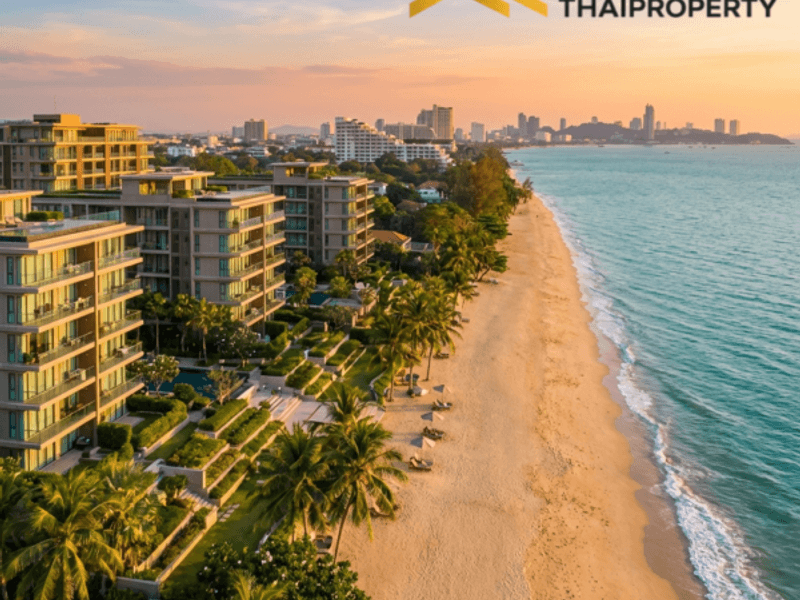
Bottom line: Pattaya is definitely exciting, and for Israelis looking for a combination of lifestyle and investment, the ability to live in the country for extended periods is more relevant than ever. But it’s not a “buy-and-straight-to-the-beach” visa. Check thoroughly, ask professionals, and don’t shortcut the process because there are no real shortcuts in Thai immigration.
Contact:
Website: https://thaiproperty.co.il
Phone: +66 941 677 699
WhatsApp: https://wa.me/972515309600
Email: thaiproperty.co.il@gmail.com
Line ID: thaiproperty.il