Real Estate Investment in Thailand: What Israeli Investors Need to Know
Anyone aiming to purchase real estate in Thailand in 2026 already understands that the playing field here looks different from what they know in Israel or Europe. On paper, it’s magical attractive prices, investments with yield potential, and a chance to upgrade your lifestyle. In reality, there are quite a few unwritten rules as well as some clear boundaries set by the state, especially for those who aren’t Thai citizens. It’s not just about finding a beautiful apartment with a pool; it’s a game of rules that requires true understanding before investing the family fortune.
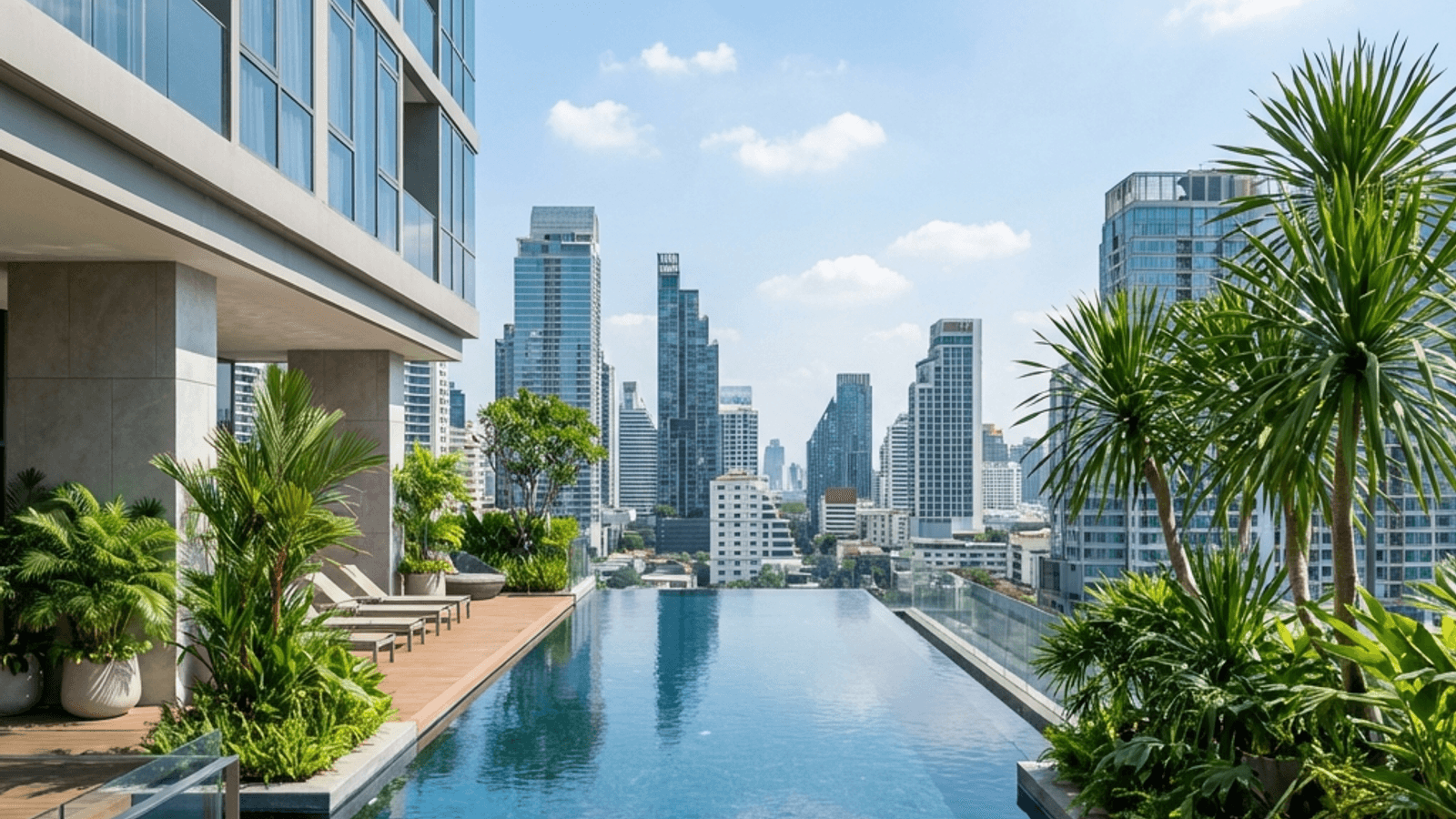
The main challenge: ownership. In Thailand, foreigners cannot hold land ownership directly period. They can purchase condominiums under a freehold concept (full ownership), as long as the total foreign ownership in the building does not exceed 49% of the total area. Saw a boutique apartment in downtown Bangkok? Excellent, but first make sure the quota for foreigners is still available. If you wanted a villa, the realistic option is long-term leasehold: a 30-year contract with a formal option to extend. Experienced professionals will warn you: lease extension contracts are recommendations, not automatic commitments from the state. That might be enough to enjoy the property, but don’t build plans for generations ahead.
Have you considered the “Thai company” route? You need to know that authorities do not look kindly on companies established solely for real estate purposes without genuine business activity. Using “nominees” to maintain de facto majority Thai ownership is a blatant violation of the law and can lead to property confiscation. If you choose a company, we recommend doing so only if you have a real business venture to operate, and not just passive investment.
And now the part taken for granted at home: financing. Most banks in Thailand will not give a loan to a foreigner. Even the existing options require a very high equity percentage and conditions far from lenient. It’s easy to find yourself required to bring 100% of the amount from home or turn to international banks with interest rates you wouldn’t accept in your home country.
The seasoned investor doesn’t skip due diligence, and this must be accompanied by a local Thai lawyer not just “bringing a lawyer” but one who truly knows the intricacies of the laws on the ground, can identify liens, encumbrances, building violations, and previous disputes. The purchasing process here does not go through a single notary and end at the land registry office; involved parties include developers, brokers, and bureaucracy not always written clearly in English. Investing in excellent legal representation can save you headaches for years to come and reduce real legal risks.
What about taxes? Different than at home. There are transfer fees (2% of the appraised value), withholding tax, specific business tax if the property is not held long term, and sometimes additional costs depending on the area and type of property. Don’t forget the annual maintenance fees, which can skyrocket in luxury projects. Closing the deal without fully understanding all expenses is a mistake that investors regret later.
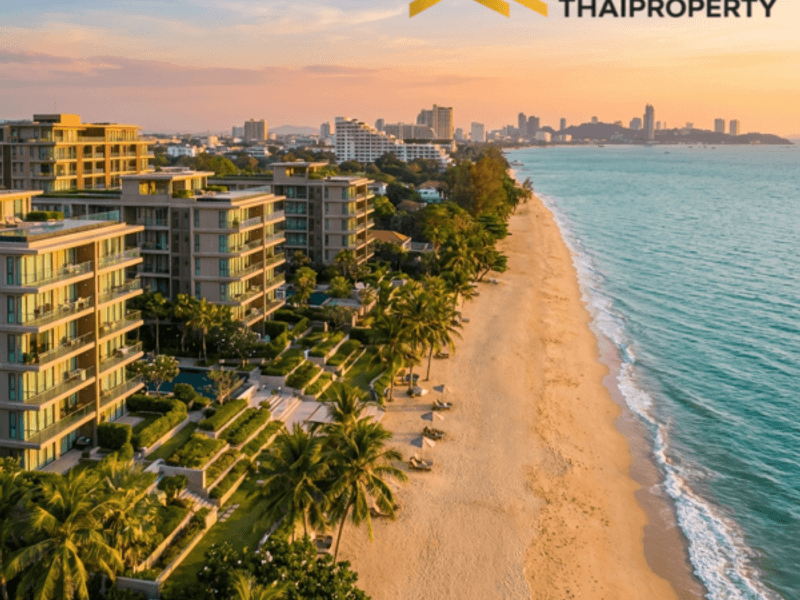
In the residential arena, certain areas are designated by the government as investment zones where incentives may exist, regulations might be more flexible, or restrictions are eased. In any case, make sure you clearly understand exactly what the benefits are and do not rely on local agent rumors. We check every project; a combination of indications from the government, development quality, and the surrounding community will give you what you’re looking for, whether that’s a bustling urban location or Airbnb potential by the beach.
Visa? Purchasing a property does not grant residency, nor is it a gateway to a long-term visa. Long-term stays in Thailand require a tourist visa, retirement visa, business visa, or education visa, and it is advisable to handle this matter before arrival and with the help of a professional visa consultant. Don’t rely on “I’ll arrange something here” because that usually ends badly.
You already know researching market trends is critical. There were sharp price surges around the post-COVID boom, and currently (February 2026) a stable trend is seen in Bangkok and tourist areas like Pattaya, Phuket, and Koh Samui. But this is a volatile market, sensitive to the global economy, regulatory changes, and currency fluctuations. Decisions made under pressure or relying on four-year-old data are recipes for mistakes.
Bottom line: smart investment requires internalizing the rule map, assembling a quality local team, thorough checks, and understanding this is a market that reacts quickly to global trends and doesn’t always operate according to the logic of the Israeli housing market. If you only learn the rules and apply judgment, you will discover that Thai real estate offers many opportunities and many of our clients have already turned their holiday passion into a property generating real yield and a global investment portfolio.
Contact:
Website: https://thaiproperty.co.il
Phone: +66 941 677 699
WhatsApp: https://wa.me/972515309600
Email: thaiproperty.co.il@gmail.com
Line ID: thaiproperty.il