Real Estate Investment in Bangkok: Trends, Returns, and Opportunities for Investors
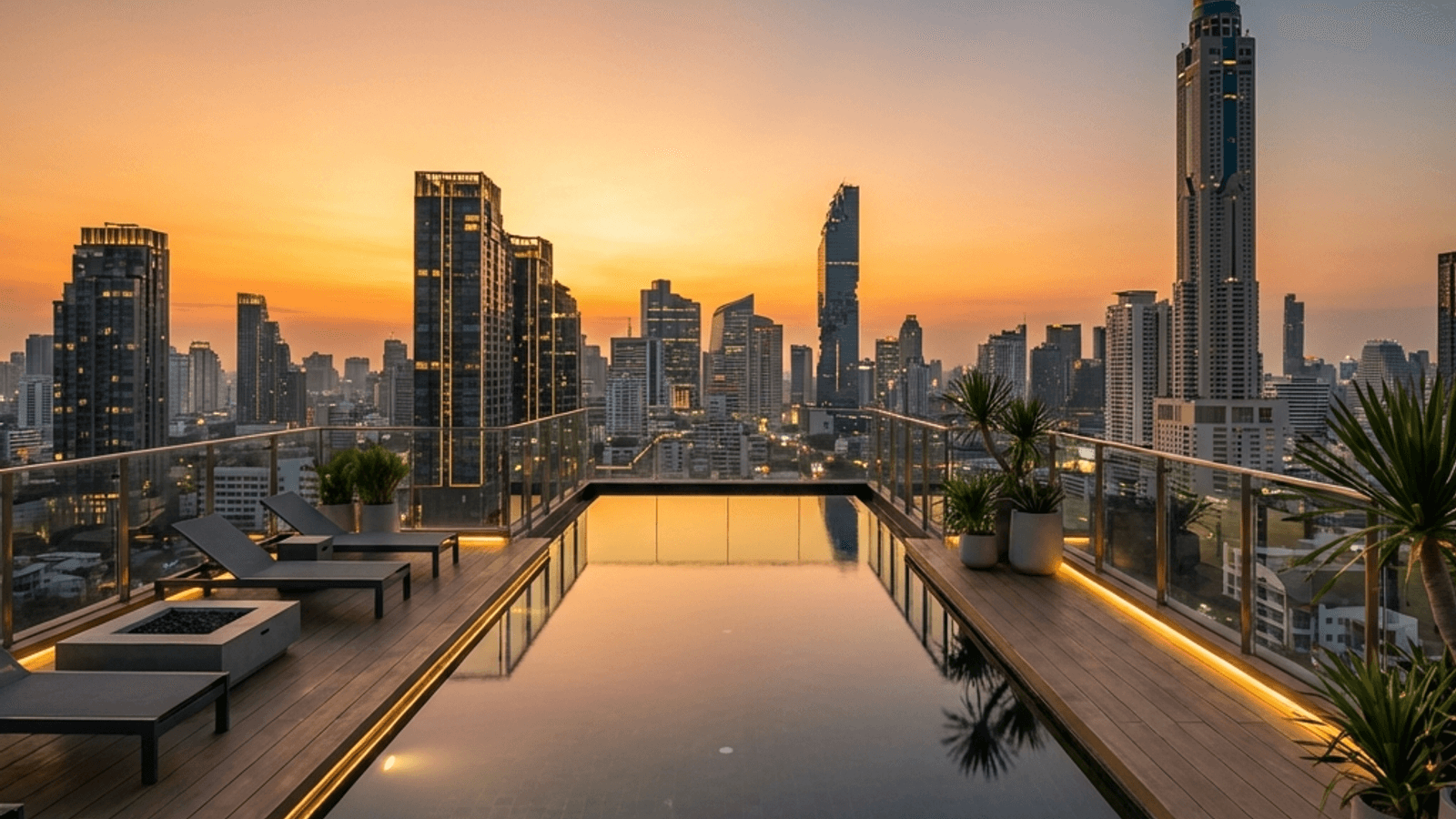
Something has changed in Bangkok over the past two years. If you had passed through Sukhumvit five years ago, it was mainly a place for expats, tourists, and occasionally for a real estate adventurer with international experience. But today? The city has become a global investment arena attracting buyers looking not just for exotic living, but for smart yields and a truly diversified investment portfolio.
The numbers tell part of the story. Apartments in central Bangkok, especially in areas like Sukhumvit, Rama 9, and the surroundings, continue to draw strong interest from investors worldwide. But here’s what has really changed: every transportation update, whether it’s a new BTS station or the opening of a new concept mall, reshapes the local real estate map. We see areas once considered “marginal,” like Bang Na and Ladprao, suddenly turning into hot opportunities thanks to new infrastructure, affordable prices, and yields that can even outpace mid-tier markets in Israel.
But Bangkok is not just about a 6% yield versus 1% in a bank in Tel Aviv. The market here is different; most new projects come with a design standard that doesn’t need explanation for anyone who has seen luxury apartments in Israel: European-style appliances, floor-to-ceiling glass, hotel-level lobbies, fitness centers, and pools at a resort-standard. And then the question arises: where is the benefit for the smart investor? The answer mostly lies in understanding Bangkok’s rental market: a city of almost 11 million inhabitants, a huge expat community, and demand for modern apartments that gnaws at supply every month.
In practice, what makes deals succeed here is not just choosing a shiny building downtown. At TPI, we repeatedly see that the ability to identify neighborhoods beyond the “prime location” label to spot where the next wave of development and tourism will come is what makes the difference between an apartment that doesn’t rent out and a property that captures real capital appreciation. Those who choose within walking distance of BTS stations, close to leading malls or international schools, are positioned on the most consistent footpaths of the renting public.
A question buyers ask us every week: “Should I buy a new apartment from the developer or a secondhand one?” There is no single right answer. Firsthand, you get contemporary design, payment flexibility, and an option for quick market entry. Secondhand, you often find larger units in ultra-central locations, and the price per square meter can be surprising. Usually, the real consideration should revolve around rental ease and developer reliability in firsthand projects.
Another practical point: purchase costs here are completely different from what you’re used to in Israel. Transfer fees, ongoing management fees, levies all these add up to a line item in the budget that needs to be calculated in advance, but usually, the cost per square meter in shekels remains attractive even after these amounts. On the other hand, performing due diligence is a must: checking licenses, understanding the foreign ownership regulations (limited to 49% of any project), and not skipping a local lawyer knowledgeable in Thai real estate.
The most common mistake? Getting carried away by a 200,000 baht discount and turning a blind eye to a location far from BTS, or not checking who is really responsible for managing the project after handover. Such a dynamic market demands patience but also speed because a good deal doesn’t stay on the shelf for long.
In summary, investing in Bangkok in 2026 is a combination of environmental analysis, infrastructure checks, target audience understanding, and professional guidance. If you’re looking at the city not just as a holiday destination but as a real potential for growth in your real estate portfolio, this is an exciting time to jump in and choose the right deal smartly.
Contact:
Website: https://thaiproperty.co.il
Phone: +66 941 677 699
WhatsApp: https://wa.me/972515309600
Email: thaiproperty.co.il@gmail.com
Line ID: thaiproperty.il